
ግራናይት ከፍተኛ ጥንካሬው፣ ጥጋቱ፣ ዘላቂነቱ እና ለዝገት መቋቋም የተቆፈረ የአይግነስ ድንጋይ አይነት ነው። ነገር ግን ግራናይት በጣም ሁለገብ ነው - ለካሬዎች እና ለአራት ማዕዘን ቅርጾች ብቻ አይደለም! እንደ እውነቱ ከሆነ፣ በየጊዜው በሁሉም ልዩነቶች ቅርጾች፣ ማዕዘኖች እና ኩርባዎች የተነደፉ የግራናይት ክፍሎችን በልበ ሙሉነት እንሰራለን - እጅግ በጣም ጥሩ ውጤት ያስገኛል።
Through our state of the art processing, cut surfaces can be exceptionally flat. These qualities make granite the ideal material to create custom-size and custom-design machine bases and metrology components. Granite is:
■ ሊሠራ የሚችል
■ ሲቆረጥና ሲጨርስ በትክክል ጠፍጣፋ
■ ዝገት የሚቋቋም
■ ዘላቂ
■ ለረጅም ጊዜ የሚቆይ
የግራናይት ክፍሎች ለማጽዳትም ቀላል ናቸው። ብጁ ዲዛይኖችን ሲፈጥሩ፣ ለላቁ ጥቅሞቹ ግራናይትን መምረጥዎን ያረጋግጡ።
ደረጃዎች / ከፍተኛ የአለባበስ አፕሊኬሽኖች
ለመደበኛ የወለል ንጣፍ ምርቶቻችን ZHHIMG የሚጠቀመው ግራናይት ከፍተኛ የኳርትዝ ይዘት ያለው ሲሆን ይህም ለመልበስ እና ለመጉዳት የበለጠ የመቋቋም አቅም ይሰጣል። የእኛ ሱፐርኢር ብላክ ቀለሞች ዝቅተኛ የውሃ መምጠጥ መጠን አላቸው፣ ይህም በፕላኖቹ ላይ ሲቀመጡ የትክክለኛነት መለኪያዎችዎ የዝገት እድልን ይቀንሳል። በ ZHHIMG የሚቀርቡት የግራናይት ቀለሞች ያነሰ አንጸባራቂ ያስከትላሉ፣ ይህም ማለት ሳህኖቹን ለሚጠቀሙ ሰዎች የዓይን ድካም ይቀንሳል ማለት ነው። ይህንን ገጽታ አነስተኛ ለማድረግ የግራናይት ዓይነቶችን መርጠናል የሙቀት መስፋፋትን ከግምት ውስጥ በማስገባት።
CUSTOM APPLICATIONS
መተግበሪያዎ ብጁ ቅርጾች፣ የተዘጉ ማስገቢያዎች፣ ማስገቢያዎች ወይም ሌሎች ማሽነሪዎች ያሉት ሳህን ሲፈልግ፣ እንደ ጥቁር ጂናን ብላክ ያለ ቁሳቁስ መምረጥ ያስፈልግዎታል። ይህ ተፈጥሯዊ ቁሳቁስ የላቀ ጥንካሬ፣ እጅግ በጣም ጥሩ የንዝረት መከላከያ እና የተሻሻለ የማሽን አቅም ይሰጣል።
ቀለም ብቻውን የድንጋዩን አካላዊ ባህሪያት የሚያሳይ እንዳልሆነ ልብ ማለት ያስፈልጋል። በአጠቃላይ የግራናይት ቀለም በቀጥታ ከማዕድናት መኖር ወይም አለመኖር ጋር የተያያዘ ሲሆን ይህም ጥሩ የገጽታ ሳህን ቁሳቁስ በሚፈጥሩት ባህሪያት ላይ ምንም ተጽእኖ ላይኖረው ይችላል። ለገጽታ ሰሌዳዎች በጣም ጥሩ የሆኑ ሮዝ፣ ግራጫ እና ጥቁር ግራናይት እንዲሁም ለትክክለኛነት አተገባበር ሙሉ በሙሉ የማይመቹ ጥቁር፣ ግራጫ እና ሮዝ ግራናይት አሉ። የግራናይት ወሳኝ ባህሪያት፣ እንደ ወለል ሰሌዳ ቁሳቁስ አጠቃቀሙ፣ ከቀለም ጋር ምንም ግንኙነት የላቸውም፣ እና እንደሚከተለው ናቸው፡
■ ጥንካሬ (በጭነት ስር ያለ ማዛወር - በሞዱለስ ኦፍ ኤላስቲክቲ የተገለጸ)
■ ጥንካሬ
■ ጥግግት
■ የመልበስ መቋቋም
■ መረጋጋት
■ የፖሮሲስ
ብዙ የግራናይት ቁሳቁሶችን ሞክረን እነዚህን ቁሳቁሶች አነጻጽረናል። በመጨረሻም ውጤቱን አግኝተናል፣ የጂናን ጥቁር ግራናይት እስካሁን ካወቅናቸው ቁሳቁሶች ሁሉ ምርጡ ነው። የህንድ ጥቁር ግራናይት እና የደቡብ አፍሪካ ግራናይት ከጂናን ጥቁር ግራናይት ጋር ተመሳሳይ ናቸው፣ ነገር ግን አካላዊ ባህሪያቸው ከጂናን ጥቁር ግራናይት ያነሰ ነው። ZHHIMG በዓለም ላይ ተጨማሪ የግራናይት ቁሳቁሶችን መፈለግ እና አካላዊ ባህሪያቸውን ማወዳደር ይቀጥላል።
ለፕሮጀክትዎ ተስማሚ ስለሆነው ግራናይት የበለጠ ለመነጋገር፣ እባክዎ ያግኙንinfo@zhhimg.com.
የተለያዩ አምራቾች የተለያዩ ደረጃዎችን ይጠቀማሉ። በዓለም ላይ ብዙ ደረጃዎች አሉ።
DIN Standard፣ ASME B89.3.7-2013 ወይም የፌዴራል ዝርዝር መግለጫ GGG-P-463c (የግራናይት ወለል ፕሌቶች) እና የመሳሰሉት ለዝርዝራቸው መሰረት ናቸው።
እና እንደ ፍላጎቶችዎ የግራናይት ትክክለኛነት ፍተሻ ሳህን ማምረት እንችላለን። ስለ ተጨማሪ ደረጃዎች የበለጠ መረጃ ለማግኘት ከፈለጉ እኛን ለማግኘት እንኳን ደህና መጡ።
ጠፍጣፋነት በሁለት ትይዩ ፕላኖች፣ በመሠረት ፕላን እና በጣሪያ ፕላን ውስጥ የሚገኙ ሁሉም የገጽታ ነጥቦች እንደሆኑ ሊቆጠር ይችላል። በአውሮፕላኖቹ መካከል ያለው ርቀት መለኪያ የገጽታ አጠቃላይ ጠፍጣፋነት ነው። ይህ ጠፍጣፋነት መለኪያ በተለምዶ መቻቻልን የሚያመለክት ሲሆን የደረጃ አሰጣጥን ሊያካትት ይችላል።
ለምሳሌ፣ ለሶስት መደበኛ ደረጃዎች የጠፍጣፋነት መቻቻል በፌዴራል ዝርዝር መግለጫው ውስጥ በሚከተለው ቀመር እንደተወሰነው ይገለጻል፡
■ የላቦራቶሪ ደረጃ AA = (40 + ሰያፍ ካሬ/25) x .000001" (አንድ ጎን)
■ የምርመራ ደረጃ A = የላቦራቶሪ ደረጃ AA x 2
■ የመሳሪያ ክፍል ክፍል ደረጃ B = የላቦራቶሪ ክፍል AA x 4።
ለመደበኛ መጠን ያላቸው የወለል ሰሌዳዎች፣ ከዚህ ዝርዝር መስፈርት በላይ የሆኑ የጠፍጣፋነት መቻቻልን ዋስትና እንሰጣለን። ከጠፍጣፋነት በተጨማሪ፣ ASME B89.3.7-2013 እና የፌዴራል ዝርዝር መግለጫ GGG-P-463c የሚከተሉትን ርዕሶች ያብራራሉ፡- የድግግሞሽ የመለኪያ ትክክለኛነት፣ የገጽታ ሰሌዳ ግራናይት የቁሳቁስ ባህሪያት፣ የወለል አጨራረስ፣ የድጋፍ ነጥብ ቦታ፣ ጥንካሬ፣ ተቀባይነት ያለው የፍተሻ ዘዴዎች፣ የክር ማስገቢያዎች መትከል፣ ወዘተ።
የ ZHHIMG ግራናይት ወለል ሰሌዳዎች እና የግራናይት ፍተሻ ሰሌዳዎች በዚህ ዝርዝር መግለጫ ውስጥ የተቀመጡትን ሁሉንም መስፈርቶች ያሟላሉ ወይም ያሻሽላሉ። በአሁኑ ጊዜ፣ ለግራናይት አንግል ሰሌዳዎች፣ ትይዩዎች ወይም ዋና ካሬዎች ምንም ግልጽ ዝርዝር መግለጫ የለም።
እና ለሌሎች ደረጃዎች ቀመሮችን በ ውስጥ ማግኘት ይችላሉአውርድ.
በመጀመሪያ፣ ሳህኑን ንፁህ ማድረግ አስፈላጊ ነው። የአየር ወለድ ሻካራ አቧራ ብዙውን ጊዜ በሳህኑ ላይ ከፍተኛ የመበስበስ እና የመቀደድ ምንጭ ነው፣ ምክንያቱም በስራ ክፍሎች እና በጌጅዎች የመገናኛ ገጽታዎች ውስጥ ስለሚገባ። ሁለተኛ፣ ሳህኑን ከአቧራ እና ከጉዳት ለመጠበቅ ይሸፍኑት። የመበስበስ ዕድሜ ሊራዘም የሚችለው ጥቅም ላይ በማይውልበት ጊዜ ሳህኑን በመሸፈን፣ አንድ ቦታ ከመጠን በላይ እንዳይጠቀም ሳህኑን በየጊዜው በማዞር እና በመለኪያ ጊዜ የብረት እውቂያ ፓዶችን በካርቦይድ ፓዶች በመተካት ነው። እንዲሁም ምግብ ወይም ለስላሳ መጠጦችን በሳህኑ ላይ ከማስቀመጥ ይቆጠቡ። ብዙ ለስላሳ መጠጦች ለስላሳ ማዕድናትን ሊሟሟ እና ትናንሽ ጉድጓዶችን በላዩ ላይ ሊተው የሚችል ካርቦኒክ ወይም ፎስፈረስ አሲድ እንደያዙ ልብ ይበሉ።
ይህ የሚወሰነው ሳህኑ እንዴት ጥቅም ላይ እንደሚውል ነው። ከተቻለ ሳህኑን በቀኑ መጀመሪያ (ወይም በስራ ፈረቃ) እና በመጨረሻው ላይ እንዲያጸዱ እንመክራለን። ሳህኑ በተለይም በዘይት ወይም በተጣበቁ ፈሳሾች ከተበከለ ወዲያውኑ ማጽዳት አለበት።
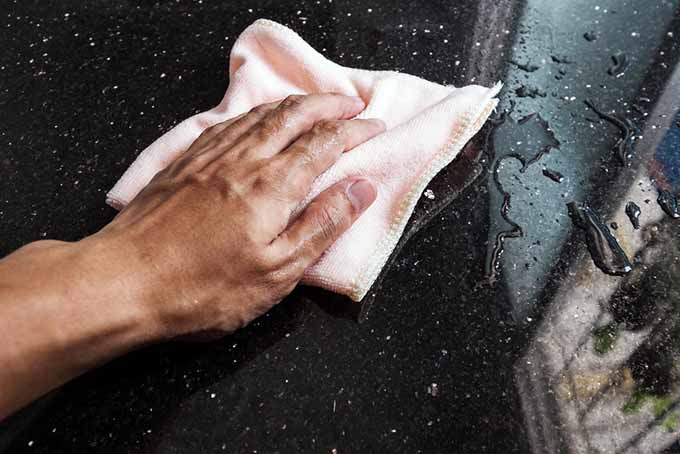
ሳህኑን በፈሳሽ ወይም በ ZHHIMG ውሃ አልባ የገጽታ ፕሌት ማጽጃ አዘውትረው ያጽዱ። የጽዳት መፍትሄዎች ምርጫ አስፈላጊ ነው። ተለዋዋጭ የሆነ መሟሟት (አሴቶን፣ ላኬር ቲንደር፣ አልኮል፣ ወዘተ) ጥቅም ላይ ከዋለ ትነት መሬቱን ያቀዘቅዘዋል፣ እና ያዛባዋል። በዚህ ሁኔታ፣ ከመጠቀምዎ በፊት ሳህኑ መደበኛ እንዲሆን መፍቀድ አስፈላጊ ነው አለበለዚያ የመለኪያ ስህተቶች ይከሰታሉ።
ሳህኑ መደበኛ እንዲሆን የሚያስፈልገው የጊዜ መጠን እንደ ሳህኑ መጠን እና እንደ ማቀዝቀዣው መጠን ይለያያል። ለትናንሽ ሳህኖች አንድ ሰዓት በቂ መሆን አለበት። ለትላልቅ ሳህኖች ሁለት ሰዓት ሊያስፈልግ ይችላል። በውሃ ላይ የተመሠረተ ማጽጃ ጥቅም ላይ ከዋለ፣ የተወሰነ የትነት ማቀዝቀዣም ይኖራል።
ሳህኑ ውሃውንም ይይዛል፣ ይህም የብረት ክፍሎችን ከላዩ ጋር ሲገናኙ ዝገት ሊያስከትል ይችላል። አንዳንድ ማጽጃዎች ከደረቁ በኋላ የሚጣበቅ ቅሪት ይተዋሉ፣ ይህም የአየር አቧራን ይስባል፣ እና በእውነቱ መበስበስን ይጨምራል፣ ከመቀነስ ይልቅ።
ይህ እንደ ሳህኑ አጠቃቀም እና አካባቢው ይወሰናል። አዲስ ሳህን ወይም ትክክለኛ የግራናይት መለዋወጫ ከተገዛ በኋላ በአንድ ዓመት ጊዜ ውስጥ ሙሉ በሙሉ እንደገና እንዲስተካከል እንመክራለን። የግራናይት ወለል ሳህን ከፍተኛ ጥቅም ላይ የሚውል ከሆነ፣ ይህንን የጊዜ ክፍተት ወደ ስድስት ወራት ማሳጠር ጥሩ ሊሆን ይችላል። በኤሌክትሮኒክ ደረጃ ወይም ተመሳሳይ መሣሪያ በመጠቀም ለሚደጋገሙ የመለኪያ ስህተቶች ወርሃዊ ምርመራ ማንኛውንም የሚያድጉ የመልበስ ቦታዎችን ያሳያል እና ለማከናወን ጥቂት ደቂቃዎችን ብቻ ይወስዳል። የመጀመሪያው ዳግም ማስተካከያ ውጤት ከተወሰነ በኋላ፣ የመለኪያ ክፍተቱ በውስጣዊ የጥራት ስርዓትዎ እንደተፈቀደው ወይም እንደሚያስፈልገው ሊራዘም ወይም ሊያጥር ይችላል።
የግራናይት ወለል ሳህንዎን እንዲፈትሹ እና እንዲያስተካክሉ የሚያግዝ አገልግሎት ልንሰጥዎ እንችላለን።

በመለኪያዎች መካከል ልዩነቶች ሊኖሩ የሚችሉ በርካታ ምክንያቶች አሉ-
- ከመስተካከሉ በፊት ወለሉ በሞቃት ወይም በቀዝቃዛ መፍትሄ ታጥቧል፣ እና መደበኛ ለማድረግ በቂ ጊዜ አልተፈቀደለትም ነበር
- ሳህኑ በአግባቡ ያልተደገፈ ነው
- የሙቀት ለውጥ
- ረቂቆች
- ቀጥተኛ የፀሐይ ብርሃን ወይም ሌላ የሚያበራ ሙቀት በፕላኑ ወለል ላይ። በላይኛው መብራት ወለሉን እያሞቀው እንዳልሆነ ያረጋግጡ።
- በክረምት እና በበጋ መካከል ባለው የአቀባዊ የሙቀት መጠን ቅልመት ላይ ያሉ ልዩነቶች (ከተቻለ፣ መለኪያው በሚከናወንበት ጊዜ የአቀባዊ ቅልመት የሙቀት መጠንን ይወቁ።)
- ከተላከ በኋላ ሳህኑ መደበኛ እንዲሆን በቂ ጊዜ አልተፈቀደለትም
- የፍተሻ መሳሪያዎችን አግባብ ባልሆነ መንገድ መጠቀም ወይም ያልተስተካከሉ መሳሪያዎችን መጠቀም
- በእርጅና ምክንያት የሚመጣ የወለል ለውጥ
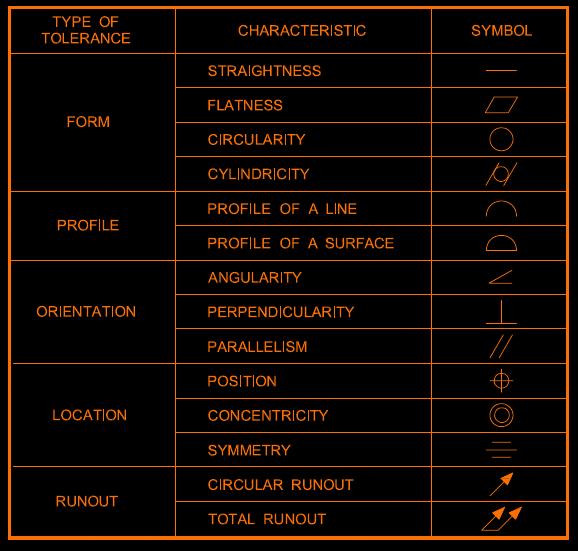
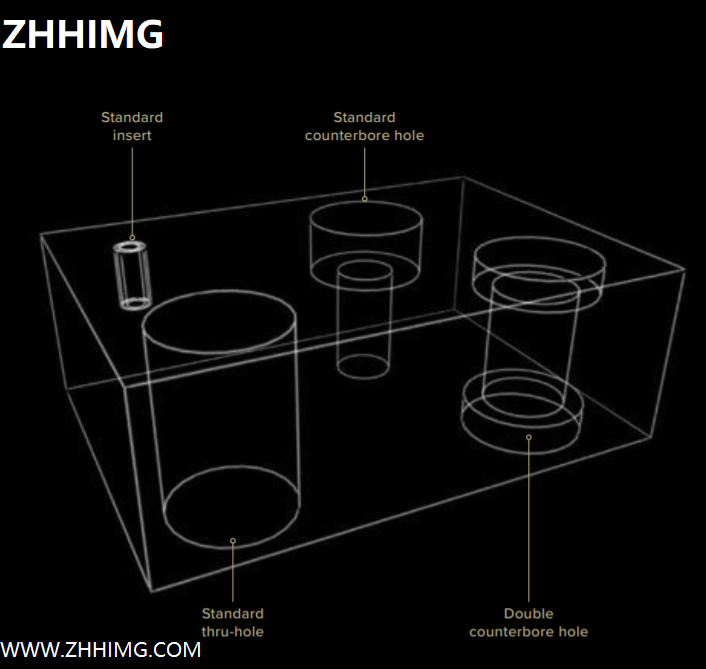
በትክክለኛ ግራናይት ላይ ስንት አይነት ቀዳዳዎች አሉ?
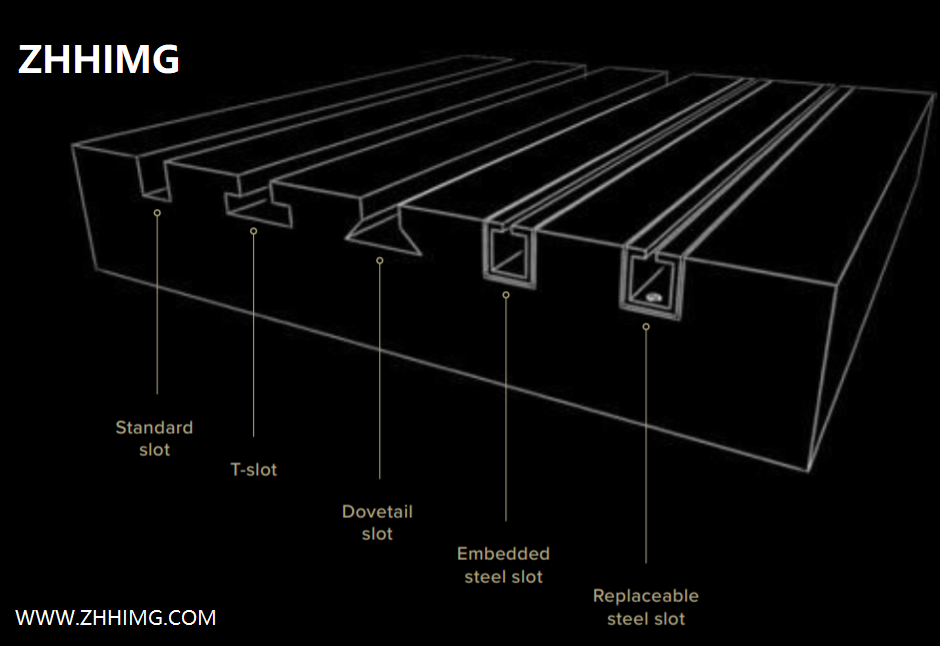
በትክክለኛ ግራናይት ክፍሎች ላይ ያሉ ቦታዎች
ለብዙ ፋብሪካዎች፣ የፍተሻ ክፍሎች እና ላቦራቶሪዎች፣ ትክክለኛ የግራናይት ወለል ሰሌዳዎች ለትክክለኛ መለኪያ መሠረት ሆነው ይተማመናሉ። እያንዳንዱ መስመራዊ መለኪያ የመጨረሻ ልኬቶች የሚወሰዱበት ትክክለኛ የማጣቀሻ ወለል ላይ ስለሚመሰረት፣ የገጽታ ሰሌዳዎች ከማሽነሪ በፊት ለሥራ ፍተሻ እና አቀማመጥ ምርጥ የማጣቀሻ ደረጃ ይሰጣሉ። እንዲሁም የቁመት መለኪያዎችን እና የመለኪያ ቦታዎችን ለመሥራት ተስማሚ መሠረት ናቸው። በተጨማሪም፣ ከፍተኛ ጠፍጣፋነት፣ መረጋጋት፣ አጠቃላይ ጥራት እና የስራ ችሎታ የተራቀቁ ሜካኒካል፣ ኤሌክትሮኒክስ እና ኦፕቲካል የመለኪያ ስርዓቶችን ለመትከል ጥሩ ምርጫ ያደርጋቸዋል። ለእነዚህ የመለኪያ ሂደቶች ለማንኛውም፣ የገጽታ ሰሌዳዎች እንዲስተካከሉ ማድረግ በጣም አስፈላጊ ነው።
Repeat Measurements and Flatness
ጠፍጣፋነትም ሆነ ተደጋጋሚ መለኪያዎች ትክክለኛ የሆነ ወለል መኖሩን ለማረጋገጥ ወሳኝ ናቸው። ጠፍጣፋነት በሁለት ትይዩ ፕላኖች፣ በመሠረት ፕላኑ እና በጣሪያ ፕላኑ ውስጥ የሚገኙ ሁሉም የገጽታ ነጥቦች እንደሆኑ ተደርጎ ሊወሰድ ይችላል። በአውሮፕላኖቹ መካከል ያለው ርቀት መለኪያ የገጽታው አጠቃላይ ጠፍጣፋነት ነው። ይህ ጠፍጣፋነት መለኪያ በተለምዶ መቻቻልን የሚያመለክት ሲሆን የደረጃ አሰጣጥን ሊያካትት ይችላል።
The flatness tolerances for three standard grades are defined in the federal specification as determined by the following formula:
DIN Standard፣ GB Standard፣ ASME Standard፣ JJS Standard... የተለያየ ሀገር ያለው...
In addition to flatness, repeatability must be ensured. A repeat measurement is a measurement of local flatness areas. It is a measurement taken anywhere on the surface of a plate that will repeat within the stated tolerance. Controlling local area flatness to a tighter tolerance than overall flatness guarantees a gradual change in surface flatness profile, thereby minimizing local errors.
የገጽታ ሰሌዳ ጠፍጣፋ እና ተደጋጋሚ የመለኪያ ዝርዝሮችን የሚያሟላ መሆኑን ለማረጋገጥ፣ የግራናይት ወለል ሰሌዳዎች አምራቾች ለዝርዝራቸው መሠረት የፌዴራል ዝርዝር መግለጫ GGG-P-463cን መጠቀም አለባቸው። ይህ መመዘኛ የተደጋጋሚ የመለኪያ ትክክለኛነትን፣ የገጽታ ሰሌዳ ግራናይት የቁሳቁስ ባህሪያትን፣ የገጽታ አጨራረስን፣ የድጋፍ ነጥብ ቦታን፣ ግትርነትን፣ ተቀባይነት ያላቸውን የፍተሻ ዘዴዎች እና የክር ማስገቢያዎችን መትከልን ይመለከታል።
Checking Plate Accuracy
ጥቂት ቀላል መመሪያዎችን በመከተል፣ በግራናይት ወለል ሳህን ላይ የሚደረግ ኢንቨስትመንት ለብዙ ዓመታት ሊቆይ ይገባል። እንደ የሳህን አጠቃቀም፣ የሱቅ አካባቢ እና አስፈላጊው ትክክለኛነት፣ የሳህን ወለል ትክክለኛነትን የመፈተሽ ድግግሞሽ ይለያያል። አጠቃላይ የአውራ ጣት ህግ አዲስ ሳህን ከተገዛ በኋላ በአንድ ዓመት ውስጥ ሙሉ በሙሉ እንደገና እንዲስተካከል ማድረግ ነው። ሳህኑ በተደጋጋሚ ጥቅም ላይ የሚውል ከሆነ፣ ይህንን የጊዜ ክፍተት ወደ ስድስት ወራት ማሳጠር ይመከራል።
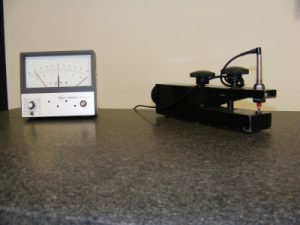
Before a surface plate has worn beyond specification for overall flatness, it will show worn or wavy posts. Monthly inspection for repeat measurement errors using a repeat reading gage will identify wear spots. A repeat reading gage is a high-precision instrument that detects local error and can be displayed on a high magnification electronic amplifier.
An effective inspection program should include regular checks with an autocollimator, providing actual calibration of overall flatness traceable to National Institute of Standards and Technology (NIST). Comprehensive calibration by the manufacturer or an independent company is necessary from time to time.
Variations Between Calibrations
በአንዳንድ ሁኔታዎች፣ የገጽታ ሰሌዳ መለኪያዎች መካከል ልዩነቶች አሉ። አንዳንድ ጊዜ እንደ አለባበስ፣ የፍተሻ መሳሪያዎችን በአግባቡ አለመጠቀም ወይም ያልተስተካከሉ መሳሪያዎችን መጠቀም ያሉ ነገሮች ለእነዚህ ልዩነቶች ተጠያቂ ሊሆኑ ይችላሉ። ሆኖም ግን፣ ሁለቱ በጣም የተለመዱ ምክንያቶች የሙቀት መጠን እና ድጋፍ ናቸው።
One of the most important variables is temperature. For instance, the surface might have been washed with a hot or cold solution prior to calibration and not allowed sufficient time to normalize. Other causes of temperature change include drafts of cold or hot air, direct sunlight, overhead lighting or other sources of radiant heat on the surface of the plate.
There also can be variations in the vertical temperature gradient between winter and summer. In some cases, the plate is not allowed sufficient time to normalize after shipment. It is a good idea to record the vertical gradient temperature at the time the calibration is performed.
Another common cause for calibration variation is a plate that is improperly supported. A surface plate should be supported at three points, ideally located 20% of the length in from the ends of the plate. Two supports should be located 20% of the width in from the long sides, and the remaining support should be centered.
Only three points can rest solidly on anything but a precision surface. Attempting to support the plate at more than three points will cause the plate to receive its support from various combinations of three points, which will not be the same three points on which it was supported during production. This will introduce errors as the plate deflects to conform to the new support arrangement. Consider using steel stands with support beams designed to line up with the proper support points. Stands for this purpose are generally available from the surface plate manufacturer.
If the plate is properly supported, precise leveling is only necessary if an application specifies it. Leveling is not necessary to maintain the accuracy of a properly supported plate.
Extend Plate Life
ጥቂት መመሪያዎችን መከተል የግራናይት ወለል ንጣፍ ላይ ያለውን መበስበስ ይቀንሳል እና በመጨረሻም የአገልግሎት ዘመኑን ያራዝማል።
በመጀመሪያ፣ ሳህኑን ንፁህ ማድረግ አስፈላጊ ነው። የአየር ወለድ ሻካራ አቧራ ብዙውን ጊዜ በሳህኑ ላይ ከፍተኛ የመበስበስ እና የመቀደድ ምንጭ ነው፣ ምክንያቱም ብዙውን ጊዜ በስራ ቦታዎች እና በመለኪያዎች ግንኙነት ገጽታዎች ውስጥ ስለሚካተት።
It also is important to cover plates to protect it from dust and damage. Wear life can be extended by covering the plate when not in use.
አንድ ቦታ ከመጠን በላይ ጥቅም ላይ እንዳይውል ሳህኑን በየጊዜው ያሽከርክሩት። እንዲሁም በመለኪያ ጊዜ የብረት መገናኛ ፓዶችን በካርቦይድ ፓዶች መተካት ይመከራል።
Avoid setting food or soft drinks on the plate. Many soft drinks contain either carbonic or phosphoric acid, which can dissolve the softer minerals and leave small pits in the surface.
Where to Relap
የግራናይት ወለል ንጣፍ እንደገና መቀባት ሲያስፈልግ፣ ይህንን አገልግሎት በቦታው ወይም በመለኪያ ቦታው ላይ ማከናወን ይጠበቅብዎታል። ሳህኑ በፋብሪካው ወይም በተወሰነ ቦታ ላይ እንደገና መገጣጠም ሁልጊዜ ይመረጣል። ሆኖም ግን፣ ሳህኑ በጣም ካልተበላሸ፣ በአጠቃላይ ከሚፈለገው መቻቻል 0.001 ኢንች ውስጥ፣ በቦታው ላይ እንደገና ሊወጣ ይችላል። አንድ ሳህን ከመቻቻል 0.001 ኢንች በላይ እስኪሆን ድረስ ከተለበሰ ወይም በደንብ ከተነከረ፣ እንደገና ከመተከሉ በፊት ወደ ፋብሪካው ለመፍጨት መላክ አለበት።
A calibration facility has the equipment and factory setting providing the optimum conditions for proper plate calibration and rework if necessary.
በቦታው ላይ የሚለካ እና የሚስተካከል ቴክኒሻን በሚመርጡበት ጊዜ ከፍተኛ ጥንቃቄ ማድረግ ያስፈልጋል። እውቅና ይጠይቁ እና ቴክኒሻኑ የሚጠቀምበት መሳሪያ ሊከታተል የሚችል መለኪያ እንዳለው ያረጋግጡ። ልምድም አስፈላጊ ነገር ነው፣ ምክንያቱም ትክክለኛ ግራናይትን እንዴት በትክክል መምታት እንደሚቻል ለመማር ብዙ ዓመታት ይወስዳል።
Critical measurements start with a precision granite surface plate as a baseline. By ensuring a reliable reference by using a properly calibrated surface plate, manufacturers have one of the essential tools for reliable measurements and better quality parts.Q
Checklist for Calibration Variations
1. ከመለካቱ በፊት ወለሉ በሞቃት ወይም በቀዝቃዛ መፍትሄ ታጥቧል እና መደበኛ ለማድረግ በቂ ጊዜ አልተፈቀደለትም።
2. ሳህኑ በአግባቡ ያልተደገፈ ነው።
3. የሙቀት መጠን ለውጥ።
4. ረቂቆች።
5. ቀጥተኛ የፀሐይ ብርሃን ወይም ሌላ የሚያበራ ሙቀት በፕላኑ ወለል ላይ። በላይኛው መብራት ወለሉን እያሞቀው እንዳልሆነ ያረጋግጡ።
6. በክረምት እና በበጋ መካከል ባለው የአቀባዊ የሙቀት መጠን ቅልመት ላይ ያሉ ልዩነቶች። የሚቻል ከሆነ፣ መለኪያው በሚከናወንበት ጊዜ የአቀባዊ ቅልመት የሙቀት መጠንን ይወቁ።
7. ፕሌቱ ከተላከ በኋላ መደበኛ እንዲሆን በቂ ጊዜ አልፈቀደም።
8. የፍተሻ መሳሪያዎችን አግባብ ባልሆነ መንገድ መጠቀም ወይም ያልተስተካከሉ መሳሪያዎችን መጠቀም።
9. በእርጅና ምክንያት የሚመጣ የወለል ለውጥ።
Tech Tips
- እያንዳንዱ መስመራዊ መለኪያ የመጨረሻዎቹ መለኪያዎች የሚወሰዱበት ትክክለኛ የማጣቀሻ ወለል ላይ ስለሚመሰረት፣ የገጽታ ሰሌዳዎች ከማሽነሪ በፊት ለስራ ፍተሻ እና አቀማመጥ በጣም ጥሩውን የማጣቀሻ ደረጃ ይሰጣሉ።
- Controlling local area flatness to a tighter tolerance than overall flatness guarantees a gradual change in surface flatness profile, thereby minimizing local errors.
- ውጤታማ የፍተሻ ፕሮግራም ከአውቶኮሊማተር ጋር መደበኛ ፍተሻዎችን ማካተት አለበት፣ ይህም አጠቃላይ የጠፍጣፋነት መለኪያን ለብሔራዊ ፍተሻ ባለስልጣን ማቅረብ ይችላል።
ግራናይትን ከሚፈጥሩት የማዕድን ቅንጣቶች መካከል ከ90% በላይ የሚሆኑት ፌልድስፓር እና ኳርትዝ ሲሆኑ ከእነዚህም ውስጥ ፌልድስፓር በብዛት ይገኛሉ። ፌልድስፓር ብዙውን ጊዜ ነጭ፣ ግራጫ እና ሥጋ-ቀይ ሲሆን ኳርትዝ በአብዛኛው ቀለም የሌለው ወይም ግራጫማ ነጭ ሲሆን ይህም የግራናይት መሰረታዊ ቀለም ነው። ፌልድስፓር እና ኳርትዝ ጠንካራ ማዕድናት ሲሆኑ በብረት ቢላዋ ለመንቀሳቀስ አስቸጋሪ ነው። በግራናይት ውስጥ ያሉትን ጥቁር ነጠብጣቦች በተመለከተ፣ በዋናነት ጥቁር ሚካ፣ ሌሎች ማዕድናት አሉ። ባዮታይት በአንጻራዊነት ለስላሳ ቢሆንም፣ ውጥረትን የመቋቋም ችሎታው ደካማ አይደለም፣ እና በተመሳሳይ ጊዜ በግራናይት ውስጥ አነስተኛ መጠን አላቸው፣ ብዙውን ጊዜ ከ10% ያነሰ። ይህ ግራናይት በተለይ ጠንካራ የሆነበት የቁሳቁስ ሁኔታ ነው።
ግራናይት ጠንካራ የሆነበት ሌላው ምክንያት የማዕድን ቅንጣቶቹ እርስ በእርሳቸው በጥብቅ የተሳሰሩ እና እርስ በእርሳቸው የተሳሰሩ መሆናቸው ነው። ቀዳዳዎቹ ብዙውን ጊዜ ከድንጋዩ አጠቃላይ መጠን 1% ያነሱ ናቸው። ይህም ግራናይት ጠንካራ ጫናዎችን የመቋቋም ችሎታ ይሰጠዋል እና በእርጥበት በቀላሉ አይዘልቅም።
የግራናይት ክፍሎች ከድንጋይ የተሠሩ ናቸው፤ ዝገት፣ የአሲድ እና የአልካላይን መቋቋም፣ ጥሩ የመልበስ መቋቋም እና ረጅም የአገልግሎት ዘመን የሌላቸው፣ ልዩ ጥገና የሌላቸው። የግራናይት ትክክለኛነት ክፍሎች በአብዛኛው በማሽነሪ ኢንዱስትሪ ውስጥ በመሳሪያዎች ውስጥ ጥቅም ላይ ይውላሉ። ስለዚህ የግራናይት ትክክለኛነት ክፍሎች ወይም የግራናይት ክፍሎች ይባላሉ። የግራናይት ትክክለኛነት ክፍሎች ባህሪያት በመሠረቱ ከግራናይት መድረኮች ጋር ተመሳሳይ ናቸው። የግራናይት ትክክለኛነት ክፍሎች አጠቃቀም እና መለኪያ መግቢያ፡- ትክክለኛ የማሽን እና የማይክሮ ማሽነሪ ቴክኖሎጂ የማሽነሪ ማምረቻ ኢንዱስትሪ አስፈላጊ የልማት አቅጣጫዎች ናቸው፣ እና ከፍተኛ የቴክኖሎጂ ደረጃን ለመለካት አስፈላጊ አመላካች ሆነዋል። ዘመናዊ ቴክኖሎጂ እና የመከላከያ ኢንዱስትሪ ልማት ከትክክለኛ የማሽን እና የማይክሮ ማሽነሪ ቴክኖሎጂ የማይነጣጠል ነው። የግራናይት ክፍሎች በመለኪያው ውስጥ ያለ መቆም በተቀላጠፈ ሁኔታ ሊንሸራተቱ ይችላሉ። የስራ ወለል መለኪያ፣ አጠቃላይ ጭረቶች የመለኪያ ትክክለኛነትን አይነኩም። የግራናይት ክፍሎች በፍላጎት በኩል መስፈርቶች መሰረት መንደፍ እና መመረት አለባቸው።
የማመልከቻ መስክ፡
ሁላችንም እንደምናውቀው፣ ቁጥራቸው እየጨመረ የመጣ ማሽኖች እና መሳሪያዎች ትክክለኛ የግራናይት ክፍሎችን እየመረጡ ነው።
የግራናይት ክፍሎች ለዳይናሚክ እንቅስቃሴ፣ ለሊኒየር ሞተሮች፣ ለሴሜ፣ ለሲኤንሲ፣ ለሌዘር ማሽን... ያገለግላሉ።
ለተጨማሪ መረጃ እኛን ለማነጋገር እንኳን ደህና መጡ።
የግራናይት መለኪያ መሳሪያዎችና የግራናይት ሜካኒካል ክፍሎች ከፍተኛ ጥራት ካለው የጂናን ጥቁር ግራናይት የተሠሩ ናቸው። በከፍተኛ ትክክለኛነት፣ ረጅም ጊዜ በመቆየት፣ በጥሩ መረጋጋት እና በዝገት መቋቋም ምክንያት፣ በዘመናዊ ኢንዱስትሪ እና እንደ ሜካኒካል ኤሮ ስፔስ እና ሳይንሳዊ ምርምሮች ባሉ ሳይንሳዊ ቦታዎች ላይ በምርት ፍተሻ ላይ ከጊዜ ወደ ጊዜ ጥቅም ላይ ውለዋል።
ጥቅሞች
-----እንደ ብረት ሁለት እጥፍ ጠንካራ፤
-- ...
----ከመበላሸት የጸዳ፣ ስለዚህ የሥራ መቆራረጥ አይኖርም፤
-----በጥሩ የእህል አወቃቀር እና ብዙም የማይጣበቅ በመሆኑ ከጉሮሮ ወይም ከግጭት ነፃ የሆነ፣ ይህም ረጅም የአገልግሎት ዘመንን በመጠቀም ከፍተኛ የሆነ ጠፍጣፋነት ያረጋግጣል እና በሌሎች ክፍሎች ወይም መሳሪያዎች ላይ ምንም ጉዳት አያስከትልም
---- ከማግኔቲክ ቁሶች ጋር ለመጠቀም ችግር የሌለበት አሠራር፤
----ረጅም ዕድሜ እና ዝገት የሌለበት፣ ይህም የጥገና ወጪን ይቀንሳል።
የትክክለኛነት ግራናይት ወለል ሰሌዳዎች ትክክለኛነትን ለማግኘት ከፍተኛ ደረጃ ባለው ጠፍጣፋነት ላይ የተደረደሩ ሲሆኑ የተራቀቁ ሜካኒካል፣ ኤሌክትሮኒክስ እና ኦፕቲካል መለኪያ ስርዓቶችን ለመትከል እንደ መሰረት ያገለግላሉ።
የግራናይት ወለል ሳህን ልዩ ባህሪያት አንዳንድ፡
በጠንካራነት ውስጥ ወጥነት;
ትክክለኛ የጭነት ሁኔታዎች;
የንዝረት መምጠጥ;
ለማጽዳት ቀላል;
መጠቅለያ መቋቋም የሚችል;
ዝቅተኛ የፖሮሲስ መጠን;
የማይበላሽ፤
መግነጢሳዊ ያልሆነ
የግራናይት ወለል ሳህን ጥቅሞች
First, the rock after a long period of natural aging, uniform structure, coefficient minimum, the internal stress completely disappear, not deformed, so the precision is high.
ኢሜይል ላክ
ዋትስአፕ
ስካይፕ
እንግሊዝኛ
ጀርመንኛ
ፈረንሳይኛ
ፖርቹጋልኛ
ስፓንኛ
ጃፓንኛ
ኮሪያኛ
አረብኛ
አይሪሽ
ግሪክኛ
ቱሪክሽ
ጣሊያንኛ
ዳኒሽ
ሮማንያን
ኢንዶኔዥያን
ቼክ
ስዊድንኛ
ፖሊሽ
ባስክ
ካታሊያን
እስፔራንቶ
ሂንዲ
ላኦ
አልበንያኛ
አማርኛ
አርመንያኛ
አዘርባጃኒኛ
ቤላሩሲያን
Pቤንጋሊ
ቦስንያን
ቡልጋርያኛ
ሴቡዋኖ
ቺቼዋ
ኮርሲካን
ክሮኤሽያን
ደች
ኢስቶኒያን
ፊሊፒናዊ
ፊኒሽ
ፍሪሲያን
ጋላሺያን
ጆርጅያን
ጉጅራቲ
የሄይቲ
ሃውሳ
ሐዋያንሂብሩሕሞንግ
ሃንጋሪያንአይስላንዲ ክኢግቦኛ
ጃቫኒስካናዳ
ካዛክሀ
ክመር
ኩርዲሽ
ክይርግያዝ
ላቲን
ላትቪያን
ሊቱኒያን
ሉክሰምቡ..
ማስዶንያን
ማላጋሲ
ማላይ
ማላያላም
ማልትስ
ማኦሪይ
ማራቲ
ሞኒጎሊያን
በርሚስ
ኔፓሊ
ኖርወይኛ
ፓሽቶ
ፐርሽያን
ፑንጃቢ
ሰሪቢያን
ሴሶቶ
ሲንሃላ
ስሎቫክ
- ስሎቬንያን
- ሶማሊ
- ሳሞአን
- የስኮትላንድ ጌሊክ
- ሾና
- ስንድሂ
- ሱዳንኛ
- ስዋሕሊ
- ታጂክኛ
- ታሚል
- ተሉጉ
ታይ
ዩክሬንያን
ኡርዱAኡዝቤክ2ቪትናሜሴLዋልሽAዛይሆሳ
ዪዲሽ
ዮሩባ
ዙሉ
ኪንያርዋንዳ
ታታርኛ
ቱሪክሜን
ኡይግሁር
ቻይንኛ
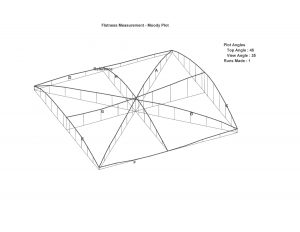
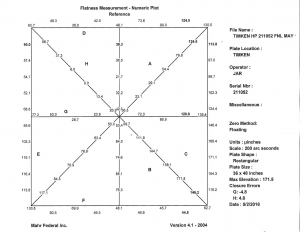
Routine surface plate calibration is necessary to ensure flatness and repeatability over time. The precision measurement group at Cross is ISO 17025 accredited for calibration of surface plate flatness and repeatability. We utilize the Mahr Surface Plate Certification System featuring:
- Moody and Profile Analysis,
- Isometric or Numeric plots,
- Multiple Run Average, and
- Automatic Grading According to Industry Standards.
The Mahr Computer Assisted Model determines any angular or linear deviation from absolute level, and is ideally suited for highly precise profiling of surface plates.
Intervals between calibrations will vary depending on the frequency of use, the environmental conditions where the plate is located, and the specific quality requirements of your company. Properly maintaining your surface plate may allow for longer intervals between each calibration, helps you avoid the added cost of relapping, and most importantly ensures the measurements you obtain on the plate are as accurate as possible. Although surface plates appear robust, they are precision instruments and should be treated as such. Here are some things to consider regarding care of your surface plates:
- Keep the plate clean, and if possible cover it when it is not in use
- Nothing should be placed on the plate other than gages or pieces to be measured.
- Don’t use the same spot on the plate every time.
- If possible, rotate the plate periodically.
- Respect the load limit of your plate
Precision Granite Base Can Improve Machine Tool Performances
Requirements are constantly increasing in mechanical engineering in general and in machine tool construction in particular. Achieving maximum precision and performance values without increasing costs are constant challenges to being competitive. The machine tool bed is a decisive factor here. Therefore, more and more machine tool manufacturers are relying on granite. Due to its physical parameters, it offers clear advantages that cannot be achieved with steel or polymer concrete.
Granite is a so-called volcanic deep rock and has a very dense and homogeneous structure with an extremely low coefficient of expansion, low thermal conductivity and high vibration damping.
Below you will discover why the common opinion that granite is mainly only suitable as machine base for high-end coordinate measuring machines is long outdated and why this natural material as a machine tool base is a very advantageous alternative to steel or cast iron even for high-precision machine tools.
We can manufacture granite components for dynamic motion, granite components for linear motors, granite components for ndt, granite components for xray, granite components for cmm, granite components for cnc, granite precision for laser, granite components for aerospace, granite components for precision stages...
High Added Value Without Additional Costs
The increasing use of granite in mechanical engineering is not so much due to the massive increase in the price of steel. Rather, it is because the added value for the machine tool achieved with a machine bed made of granite is possible at very little or no extra cost. This is proven by cost comparisons of well-known machine tool manufacturers in Germany and Europe.
The considerable gain in thermodynamic stability, vibration damping and long-term precision made possible by granite cannot be achieved with a cast iron or steel bed, or only at relatively high cost. For example, thermal errors can account for up to 75% of the total error of a machine, with compensation often attempted for by software – with moderate success. Due to its low thermal conductivity, granite is the better foundation for long-term precision.
With a tolerance of 1 μm, granite easily meets the flatness requirements according to DIN 876 for the degree of accuracy 00. With a value of 6 on the hardness scale 1 to 10, it is extremely hard, and with its specific weight of 2.8g/cm³ it almost reaches the value of aluminium. This also results in additional advantages such as higher feed rates, higher axis accelerations and an extension of the tool life for cutting machine tools. Thus, the change from a cast bed to a granite machine bed moves the machine tool in question into the high-end class in terms of precision and performance – at no extra cost.
Granite’s Improved Ecological Footprint
In contrast to materials such as steel or cast iron, natural stone does not have to be produced with a great deal of energy and using additives. Only relatively small amounts of energy are required for quarrying and surface treatment. This results in a superior ecological footprint, which even at the end of a machine’s life surpasses that of steel as a material. The granite bed can be the basis for a new machine or be used for completely different purposes such as shredding for road construction.
Nor are there any shortages of resources for granite. It is a deep rock formed from magma within the earth’s crust. It has ‘matured’ for millions of years and is available in very large quantities as a natural resource on almost all continents, including all of Europe.
Conclusion: The numerous demonstrable advantages of granite compared to steel or cast iron justify the increasing willingness of mechanical engineers to use this natural material as a foundation for high-precision, high-performance machine tools. Detailed information about granite properties, which are advantageous for machine tools and mechanical engineering, can be found in this further article.
A repeat measurement is a measurement of local flatness areas. The Repeat Measurement specification states that a measurement taken anywhere on the surface of a plate will repeat within the stated tolerance. Controlling local area flatness tighter than overall flatness guarantees a gradual change in surface flatness profile thereby minimizing local errors.
Most manufacturers, including imported brands, adhere to the Federal Specification of overall flatness tolerances but many overlook the repeat measurements. Many of the low value or budget plates available in the market today will not guarantee repeat measurements. A manufacturer who does not guarantee repeat measurements is NOT producing plates that meet the requirements of ASME B89.3.7-2013 or Federal Specification GGG-P-463c, or DIN 876, GB, JJS...
Both are critical to ensure a precision surface for accurate measurements. Flatness specification alone is not sufficient to guarantee measurement accuracy. Take as an example, a 36 X 48 Inspection Grade A surface plate, which meets ONLY the flatness specification of .000300". If the piece being checked bridges several peaks, and the gage being used is in a low spot, the measurement error could be the full tolerance in one area, 000300"! Actually, it can be much higher if the gage is resting on the slope of an incline.
Errors of .000600"-.000800" are possible, depending upon the severity of the slope, and the arm length of the gage being used. If this plate had a Repeat Measurement specification of .000050"F.I.R. then the measurement error would be less than .000050" regardless of where the measurement is taken on the plate. Another problem, which usually arises when an untrained technician attempts to resurface a plate on-site, is the use of Repeat Measurements alone to certify a plate.
The instruments that are used to verify repeatability are NOT designed to check overall flatness. When set to zero on a perfectly curved surface, they will continue to read zero, whether that surface is perfectly flat or perfectly concave or convex 1/2"! They simply verify the uniformity of the surface, not the flatness. Only a plate that meets both the flatness specification AND the repeat measurement specification truly meets the requirements of ASME B89.3.7-2013 or Federal Specification GGG-P-463c.
Ask us about or flatness specification and repeat measurement promise by calling +86 19969991659 or emailing INFO@ZHHIMG.COM
Yes, but they can only be guaranteed for a specific vertical temperature gradient. The effects of thermal expansion on the plate could easily cause a change in accuracy greater than the tolerance if there is a change in the gradient. In some cases, if the tolerance is tight enough, the heat absorbed from overhead lighting can cause enough of a gradient change over several hours.
Granite has a coefficient of thermal expansion of approximately .0000035 inches per inch per 1°F. As an example: A 36" x 48" x 8" surface plate has an accuracy of .000075" (1/2 of Grade AA) at a gradient of 0°F, the top and bottom are the same temperature. If the top of the plate warms up to the point where it is 1°F warmer than the bottom, the accuracy would change to .000275" convex ! Therefore, ordering a plate with a tolerance tighter than Laboratory Grade AA should only be considered if there is adequate climate control.
A surface plate should be supported at 3 points, ideally located 20% of the length in from the ends of the plate. Two supports should be located 20% of the width in from the long sides, and the remaining support should be centered. Only 3 points can rest solidly on anything but a precision surface.
The plate should be supported at these points during production, and it should be supported only at these three points while in use. Attempting to support the plate at more than three points will cause the plate to receive its support from various combinations of three points, which will not be the same 3 points on which it was supported during production. This will introduce errors as the plate deflects to conform to the new support arrangement. All zhhimg steel stands have support beams designed to line up with the proper support points.
If the plate is properly supported, precise leveling is only necessary if your application calls for it. Leveling is not necessary to maintain the accuracy of a properly supported plate.
Why Choose Granite for Machine Bases and Metrology Components?
The answer is 'yes' for almost every application. The advantages of granite include: No rust or corrosion, almost immune to warping, no compensating hump when nicked, longer wear life, smoother action, greater precision, virtually non-magnetic, low co-efficient of thermal expansion, and low maintenance cost.
Granite is a type of igneous rock quarried for its extreme strength, density, durability, and resistance to corrosion. But granite is also very versatile– it’s not just for squares and rectangles! In fact, Starrett Tru-Stone confidently works with granite components engineered in shapes, angles, and curves of all variations on a regular basis—with excellent outcomes.
Through our state of the art processing, cut surfaces can be exceptionally flat. These qualities make granite the ideal material to create custom-size and custom-design machine bases and metrology components. Granite is:
machineable
precisely flat when cut and finished
rust resistant
durable
long lasting
Granite components are also easy to clean. When creating custom designs, be sure to choose granite for its superior benefits.
STANDARDS / HIGH WEAR APPLICATIONS
The granite utilized by ZhongHui for our standard surface plate products has high quartz content, which provides greater resistance to wear and damage. Our Superior Black and Crystal Pink colors have low water absorption rates, minimizing the possibility of your precision gages rusting while setting on the plates. The colors of granite offered by ZhongHui result in less glare, which means less eyestrain for individuals using the plates. We have chosen our granite types while considering thermal expansion in an effort to keep this aspect minimal.
CUSTOM APPLICATIONS
When your application calls for a plate with custom shapes, threaded inserts, slots or other machining, you’ll want to select a material like Black Diabase. This natural material offers superior stiffness, excellent vibration dampening, and improved machinability.
Yes, if they are not too badly worn. Our factory setting and equipment allow the optimum conditions for proper plate calibration and rework if necessary. Generally, if a plate is within .001" of the required tolerance, it can be resurfaced on-site. If a plate is worn to the point where it is more than .001" out of tolerance, or if it is badly pitted or nicked, then it will need to be sent to the factory for grinding prior to relapping.
Great care should be exercised in selecting an on-site calibration and resurfacing technician. We urge you to use caution in selecting your calibration service. Ask for accreditation and verify the equipment that the technician will use has a National Inspection Institution traceable calibration. It takes many years to learn how to properly lap precision granite.
ZhongHui provides quick turn-around on calibrations performed in our factory. Send your plates in for calibration if possible. Your quality and reputation depend on the accuracy of your measurement instruments including surface plates!
Our black surface plates have a significantly higher density and are up to three times as stiff. Therefore, a plate made of the black does not need to be as thick as a granite plate of the same size to have equal or greater resistance to deflection. Reduced thickness means less weight and lower shipping costs.
Beware of others who use lower quality black granite in the same thickness. As stated above, properties of granite, like wood or metal, vary by material and color, and is not an accurate predictor of stiffness, hardness, or wear resistance. In fact, many types of black granite and diabase are very soft and not suitable for surface plate applications.
No. The specialized equipment and training necessary to rework these items requires that they be returned to the factory for calibration and rework.
Yes. Ceramic and granite have similar characteristics, and the methods used to calibrate and lap granite can be used with ceramic items as well. Ceramics are more difficult to lap than granite resulting in a higher cost.
Yes, provided that the inserts are recessed below the surface. If steel inserts are flush with, or above the surface plane, they must be spot-faced down before the plate can be lapped. If required, we can provide that service.
Yes. Steel inserts with the desired thread (English or metric) can be epoxy bonded into the plate at the desired locations. ZhongHui uses CNC machines to provide the tightest insert locations within +/- 0.005”. For less critical inserts, our locational tolerance for threaded inserts is ±.060". Other options include steel T-Bars and dovetail slots machined directly into the granite.
Inserts that are properly bonded using high strength epoxy and good workmanship will withstand a great deal of torsional and shear force. In a recent test, using 3/8"-16 threaded inserts, an independent testing laboratory measured the force required to pull an epoxy-bonded insert from a surface plate. Ten plates were tested. Out of these ten, in nine cases, the granite fractured first. The average load at the point of failure was 10,020 lbs. for gray granite and 12,310 lbs. for black. In the single case where an insert pulled free of the plate, the load at the point of failure was 12,990 lbs.! If a work piece forms a bridge across the insert and extreme torque is applied, it is possible to generate enough force to fracture the granite. Partially for this reason, ZhongHui gives guidelines for the maximum safe torque that can be applied the epoxy bonded inserts: https://www.zhhimg.com/standard-thread-inserts-product/
Yes, but only at our factory. At our plant, we can restore almost any plate to 'like-new' condition, usually for less than half the cost of replacing it. Damaged edges can be cosmetically patched, deep grooves, nicks, and pits can be ground out, and the attached supports can be replaced. In addition, we can modify your plate to increase its versatility by adding solid or threaded steel inserts and cutting slots or clamping lips, per your specifications.
Why Choose Granite?
Granite is a type of igneous rock formed in the Earth millions of years ago. The composition of igneous rock contained many minerals such as quartz that is extremely hard and wear-resistant. In addition to hardness and wear resistance granite has approximately half the coefficient of expansion as cast iron. As its volumetric weight is approximately one third that of cast iron, granite is easier to manoeuvre.
For machine bases and metrology components, black granite is the colour most used. Black granite has a higher percentage of quartz than other colours and is, therefore, the hardest wearing.
Granite is cost-effective, and cut surfaces can be exceptionally flat. Not only can it be hand lapped to achieve extremes of accuracy, but re-conditioning can be performed without moving the plate or table off-site. It is entirely a hand lapping operation and generally costs much less than re-conditioning a cast iron alternative.
These qualities make granite the ideal material to create custom-size and custom-design machine bases and metrology components such as the granite surface plate.
ZhongHui produces bespoke granite products that are created to support specific measurement requirements. These bespoke items vary from straight edges to tri squares. Due to the versatile nature of granite, the components can be produced to any size required; they are hard wearing and long-lasting.
Advantages of Granite Surface Plates
The importance of measuring on an even surface was established by British inventor Henry Maudsley in the 1800s. As a machine tool innovator, he determined that consistent production of parts required a solid surface for reliable measurements.
The industrial revolution created a demand for measuring surfaces, so engineering company Crown Windley created manufacturing standards. The standards for surface plates were first set by Crown in 1904 using metal. As the demand and cost for metal increased, alternative materials for the measuring surface were investigated.
In America, monument creator Wallace Herman established that black granite was an excellent surface plate material alternative to metal. As granite is non-magnetic and doesn’t rust, it soon became the preferred measuring surface.
A granite surface plate is an essential investment for laboratories and test facilities. A granite surface plate of 600 x 600 mm can be mounted on a support stand. The stands provide a working height of 34” (0.86m) with five adjustable points for levelling.
For reliable and consistent measurement results, a granite surface plate is crucial. As the surface is a smooth and stable plane, it enables instruments to be carefully manipulated.
The main advantages of granite surface plates are:
• Non-reflective
• Resistant to chemicals and corrosion
• Low coefficient of expansion compared with cart iron so less affected by temperature change
• Naturally rigid and hard-wearing
• The plane of the surface is unaffected if scratched
• Will not rust
• Non-magnetic
• Easy to clean and maintain
• Calibration and resurfacing can be done onsite
• Suitable for drilling for threaded support inserts
• High vibration damping
For many shops, inspection rooms and laboratories, precision granite surface plates are relied on as the basis for accurate measurement. Because every linear measurement depends on an accurate reference surface from which final dimensions are taken, surface plates provide the best reference plane for work inspection and layout prior to machining. They also are ideal bases for making height measurements and gaging surfaces. Further, a high degree of flatness, stability, overall quality and workmanship make them a good choice for mounting sophisticated mechanical, electronic and optical gaging systems. For any of these measurement processes, it is imperative to keep surface plates calibrated.
Repeat Measurements and Flatness
Both flatness and repeat measurements are critical to ensure a precision surface. Flatness can be considered as all points on the surface being contained within two parallel planes, the base plane and the roof plane. The measurement of distance between the planes is the overall flatness of the surface. This flatness measurement commonly carries a tolerance and may include a grade designation.
The flatness tolerances for three standard grades are defined in the federal specification as determined by the following formula:
Laboratory Grade AA = (40 + diagonal² / 25) x 0.000001 inch (unilateral)
Inspection Grade A = Laboratory Grade AA x 2
Tool Room Grade B = Laboratory Grade AA x 4
In addition to flatness, repeatability must be ensured. A repeat measurement is a measurement of local flatness areas. It is a measurement taken anywhere on the surface of a plate that will repeat within the stated tolerance. Controlling local area flatness to a tighter tolerance than overall flatness guarantees a gradual change in surface flatness profile, thereby minimizing local errors.
To ensure a surface plate meets both the flatness and repeat measurement specifications, manufacturers of granite surface plates should use Federal Specification GGG-P-463c as a basis for their specifications. This standard addresses repeat measurement accuracy, material properties of surface plate granites, surface finish, support point location, stiffness, acceptable methods of inspection and installation of threaded inserts.
Before a surface plate has worn beyond specification for overall flatness, it will show worn or wavy posts. Monthly inspection for repeat measurement errors using a repeat reading gage will identify wear spots. A repeat reading gage is a high-precision instrument that detects local error and can be displayed on a high magnification electronic amplifier.
Checking Plate Accuracy
By following a few simple guidelines, an investment in a granite surface plate should last for many years. Depending on plate usage, shop environment and required accuracy, frequency of checking the surface plate accuracy varies. A general rule of thumb is for a new plate to receive a full recalibration within one year of purchase. If the plate is used frequently, it is advisable to shorten this interval to six months.
Before a surface plate has worn beyond specification for overall flatness, it will show worn or wavy posts. Monthly inspection for repeat measurement errors using a repeat reading gage will identify wear spots. A repeat reading gage is a high-precision instrument that detects local error and can be displayed on a high magnification electronic amplifier.
An effective inspection program should include regular checks with an autocollimator, providing actual calibration of overall flatness traceable to National Institute of Standards and Technology (NIST). Comprehensive calibration by the manufacturer or an independent company is necessary from time to time.
Variations Between Calibrations
In some cases, there are variations between surface plate calibrations. Sometimes factors such as surface change resulting from wear, incorrect use of inspection equipment or use of noncalibrated equipment can account for these variations. The two most common factors, however, are temperature and support.
One of the most important variables is temperature. For instance, the surface might have been washed with a hot or cold solution prior to calibration and not allowed sufficient time to normalize. Other causes of temperature change include drafts of cold or hot air, direct sunlight, overhead lighting or other sources of radiant heat on the surface of the plate.
There also can be variations in the vertical temperature gradient between winter and summer. In some cases, the plate is not allowed sufficient time to normalize after shipment. It is a good idea to record the vertical gradient temperature at the time the calibration is performed.
Another common cause for calibration variation is a plate that is improperly supported. A surface plate should be supported at three points, ideally located 20% of the length in from the ends of the plate. Two supports should be located 20% of the width in from the long sides, and the remaining support should be centered.
Only three points can rest solidly on anything but a precision surface. Attempting to support the plate at more than three points will cause the plate to receive its support from various combinations of three points, which will not be the same three points on which it was supported during production. This will introduce errors as the plate deflects to conform to the new support arrangement. Consider using steel stands with support beams designed to line up with the proper support points. Stands for this purpose are generally available from the surface plate manufacturer.
If the plate is properly supported, precise leveling is only necessary if an application specifies it. Leveling is not necessary to maintain the accuracy of a properly supported plate.
It is important to keep the plate clean. Airborne abrasive dust is usually the greatest source of wear and tear on a plate, as it tends to embed in workpieces and the contact surfaces of gages. Cover plates to protect them from dust and damage. Wear life can be extended by covering the plate when not in use.
Extend Plate Life
Following a few guidelines will reduce wear on a granite surface plate and ultimately, extend its life.
First, it is important to keep the plate clean. Airborne abrasive dust is usually the greatest source of wear and tear on a plate, as it tends to embed in workpieces and the contact surfaces of gages.
It also is important to cover plates to protect it from dust and damage. Wear life can be extended by covering the plate when not in use.
Rotate the plate periodically so that a single area does not receive excessive use. Also, it is recommended to replace steel contact pads on gaging with carbide pads.
Avoid setting food or soft drinks on the plate. Many soft drinks contain either carbonic or phosphoric acid, which can dissolve the softer minerals and leave small pits in the surface.
Where to Relap
When a granite surface plate needs re-surfacing, consider whether to have this service performed on-site or at the calibration facility. It is always preferable to have the plate relapped at the factory or a dedicated facility. If, however, the plate is not too badly worn, generally within 0.001 inch of the required tolerance, it can be resurfaced on-site. If a plate is worn to the point where it is more than 0.001 inch out of tolerance, or if it is badly pitted or nicked, then it should be sent to the factory for grinding prior to relapping.
A calibration facility has the equipment and factory setting providing the optimum conditions for proper plate calibration and rework if necessary.
Great care should be exercised in selecting an on-site calibration and resurfacing technician. Ask for accreditation and verify the equipment that the technician will use has a NIST-traceable calibration. Experience also is an important factor, as it takes many years to learn how to correctly lap precision granite.
Critical measurements start with a precision granite surface plate as a baseline. By ensuring a reliable reference by using a properly calibrated surface plate, manufacturers have one of the essential tools for reliable measurements and better quality parts.
Checklist for Calibration Variations
- The surface was washed with a hot or cold solution prior to calibration and was not allowed sufficient time to normalize.
- The plate is improperly supported.
- Temperature change.
- Drafts.
- Direct sunlight or other radiant heat on the surface of the plate. Be sure that overhead lighting is not heating the surface.
- Variations in the vertical temperature gradient between winter and summer. If at all possible, know the vertical gradient temperature at the time the calibration is performed.
- Plate not allowed sufficient time to normalize after shipment.
- Improper use of inspection equipment or use of noncalibrated equipment.
- Surface change resulting from wear.
Tech Tips
Because every linear measurement depends on an accurate reference surface from which final dimensions are taken, surface plates provide the best reference plane for work inspection and layout prior to machining.
Controlling local area flatness to a tighter tolerance than overall flatness guarantees a gradual change in surface flatness profile, thereby minimizing local errors.